
50% CBD Frozen Sift Hashish
50% CBD Frozen Sift Hashish: A Comprehensive Guide
Introduction
“50% CBD Frozen Sift Hashish” is a specific product name referring to a high-quality, cannabidiol (CBD)-dominant cannabis concentrate. Hashish, often called “hash,” is a concentrated resin extracted from the cannabis plant, and the “frozen sift” method is a modern technique that produces a pure, potent form. With 50% CBD, this variant emphasizes the non-psychoactive cannabinoid over tetrahydrocannabinol (THC), making it appealing for those seeking therapeutic benefits without strong intoxication. This guide delves into its origins, production, effects, uses, and more, providing a thorough overview based on scientific and industry knowledge.
History and Background of Hashish
Hashish has ancient roots, dating back over 1,000 years to regions like the Middle East and Central Asia. Traditionally, it was made by hand-rubbing cannabis buds to collect resin, a process still used in some artisanal methods. The “frozen sift” technique emerged in the 21st century, popularized in the cannabis industry for its efficiency and purity. By freezing the plant material, trichomes (tiny resin glands containing cannabinoids) become brittle and easier to separate, resulting in a cleaner product compared to older methods like dry sifting or pressing. CBD-dominant hashish like this 50% variant reflects the growing demand for wellness-focused cannabis products, especially with the legalization of hemp-derived CBD in many places.
Key Characteristics
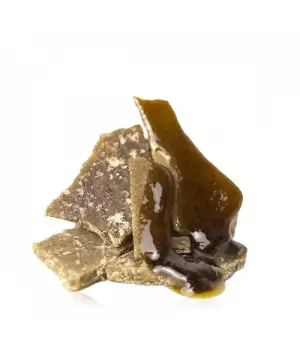
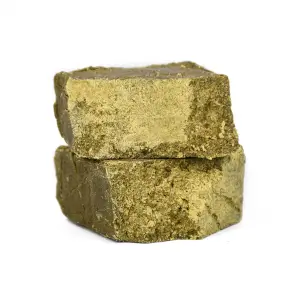
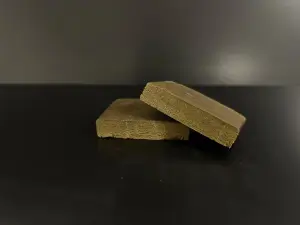
This hashish is characterized by its high CBD content—exactly 50% of its cannabinoid profile—sourced from hemp strains bred for CBD potency. It typically appears as a soft, crumbly or wax-like substance, ranging in color from light green to golden brown, with a subtle, earthy aroma reminiscent of fresh cannabis. Unlike THC-heavy hashish, which can induce euphoria or anxiety, this version is milder, focusing on relaxation and potential health benefits. Potency varies, but lab-tested samples often show minimal THC (under 0.3% to comply with hemp regulations), ensuring it’s non-intoxicating. The “frozen sift” label indicates a solvent-free extraction, preserving terpenes (aromatic compounds) for enhanced flavor and effects.
Production Process
The frozen sift method is a meticulous process that yields premium hashish. Here’s a step-by-step breakdown:
-
Harvesting and Freezing: High-CBD hemp plants are harvested at peak resin production. The buds or trim are immediately frozen at temperatures below -20°C (-4°F) to preserve trichomes and prevent degradation.
-
Sifting: The frozen material is placed on fine mesh screens (often 100-200 microns) and agitated gently. This separates the resinous trichomes from plant matter, collecting the “sift” as a powdery substance.
-
Purification and Pressing: The sift is further refined by removing impurities, then pressed into a cohesive form using heat and pressure. For 50% CBD products, strains like Charlotte’s Web or ACDC are selected to achieve the desired cannabinoid ratio.
-
Testing and Packaging: Final products undergo lab testing for potency, contaminants (e.g., pesticides, heavy metals), and microbial safety. This ensures quality, as unregulated hashish can pose health risks.
This method produces a product with higher purity than traditional hash, often retaining more terpenes for a fuller experience. It’s scalable for commercial production but requires specialized equipment, making it less common for home DIY.
Composition and Effects
Cannabinoids like CBD and THC interact with the body’s endocannabinoid system, influencing mood, pain, and inflammation. In 50% CBD frozen sift hashish, CBD dominates, potentially offering calming effects without the “high” of THC. Users often report a sense of relaxation, reduced stress, or mild euphoria, depending on dosage. Terpenes such as myrcene or limonene add nuances—myrcene for sedation, limonene for uplift. Effects onset quickly via dabbing (vaporizing at high heat) or slowly through edibles, lasting 2-6 hours.
Scientifically, CBD’s mechanisms include modulating serotonin receptors and reducing inflammation, supported by studies (e.g., a 2019 JAMA review on CBD for epilepsy). However, individual responses vary due to factors like metabolism and tolerance.
Potential Benefits and Uses
CBD hashish is prized for its therapeutic potential. Research from sources like the National Institutes of Health (NIH) and PubMed highlights benefits for:
- Pain Relief: CBD may alleviate chronic pain by interacting with pain receptors.
- Anxiety and Mental Health: It could reduce anxiety symptoms, as shown in trials for social anxiety disorder.
- Inflammation and Autoimmune Conditions: Anti-inflammatory properties might help with arthritis or skin issues.
- Epilepsy: FDA-approved Epidiolex (CBD-based) treats seizures, suggesting broader applications.
Users employ it for wellness routines, such as evening relaxation or managing stress. It’s also popular in topical forms for localized relief. Anecdotal reports from platforms like Reddit describe it as a “chill” alternative to THC, ideal for daytime use.
Legality and Regulations
Legality depends on location. In the US, hemp-derived CBD (under 0.3% THC) is federally legal under the 2018 Farm Bill, allowing products like this hashish. However, state laws vary—legal in Colorado and California, restricted in Idaho. Internationally, Canada permits cannabis products, while the EU classifies CBD as a novel food, requiring approvals. Always check local regulations, as hashish forms might face stricter scrutiny than oils. Purchasing from licensed sources ensures compliance and safety.
How to Use It
Consumption methods include:
- Dabbing: Heat a dab rig to 300-400°F and inhale vapor for quick effects.
- Vaporizing: Use a vape pen for discreet, controlled dosing.
- Topicals: Mix with oils for skin application.
- Edibles: Infuse into butter or oils for ingestion.
Start low (5-10mg CBD) to gauge tolerance. Avoid driving or operating machinery, as even CBD can cause mild drowsiness. Consult a doctor, especially if on medications, due to potential interactions.
Where to Find, Buy, and Tips
Reputable sources include dispensaries (e.g., in legal states via apps like Weedmaps) or online retailers like CBDistillery or Joy Organics. Prices range from $20-50 per gram, with premium frozen sifts costing more. Look for third-party lab reports verifying 50% CBD and low THC.
Tips: Store in a cool, dark place to preserve potency. If new to cannabis, start with low doses. For DIY enthusiasts, basic frozen sift kits are available, but prioritize safety to avoid contamination. Potential risks include allergic reactions or interactions with drugs—side effects are rare but can include fatigue or dry mouth.
Conclusion
50% CBD Frozen Sift Hashish represents the evolution of cannabis concentrates, blending tradition with modern extraction for a balanced, beneficial product. Whether for relaxation or health, it’s a versatile option in the growing CBD market. As research advances, its applications may expand. Always prioritize quality, legality, and personal health when exploring cannabis products. If you have specific questions or need recommendations, feel free to ask!
| weight | 10g, 25g, 50g, 100g, 1kg |
|---|
Reviews
There are no reviews yet.
Related products
hash
hash
hash
hash
hash
Be the first to review “50% CBD Frozen Sift Hashish”