
AFghan Hashish
Afghan Hashish: The Legendary, Potent Cannabis Concentrate from the Heart of Asia
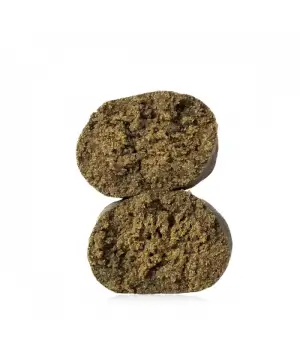
“Afghan Hashish” refers to traditional hashish produced in Afghanistan, renowned for its high potency and quality. Hashish, or hash, is a concentrated resin extracted from cannabis plants, and Afghan varieties are among the most sought-after globally due to their rich heritage and intense effects. Often handcrafted in remote regions, this hash embodies centuries of artisanal tradition, offering a strong, euphoric experience. This guide explores its origins, production, effects, and cultural significance, based on cannabis history and industry insights.
History and Background
Afghan hashish has roots dating back over 1,000 years, originating in the Hindu Kush mountains of Afghanistan, where cannabis cultivation thrived under ancient empires. It was traded along the Silk Road, influencing hash production in the Middle East and Europe. During the 20th century, Afghan hash gained fame in the West through the hippie movement and counterculture, often smuggled as “black gold” for its dark, sticky texture. Post-2001 conflicts disrupted production, but small-scale, family-run operations persist, using heirloom landrace strains. Today, Afghan hash is a symbol of purity, with modern versions sometimes blended for accessibility, though authentic pieces remain prized by connoisseurs.
Key Characteristics
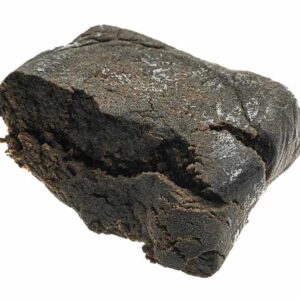
Afghan Hashish is typically a dense, dark brown or black block, sticky and malleable, with a strong, earthy aroma laced with spice and incense notes from terpenes like myrcene and pinene. Potency is high, with THC levels often exceeding 40-60%, making it intensely psychoactive. It’s solvent-free, produced through traditional methods, and compresses into firm slabs that break into pieces for use. Unlike refined concentrates, it may contain minor plant matter, adding to its rustic charm. The texture is oily and resinous, burning slowly in pipes, and it’s known for its long-lasting effects.
Production Process
Afghan hash production is labor-intensive and traditional, often done in mountainous villages:
-
Cultivation: Grow indigenous landrace strains in high-altitude fields, harvested by hand for resin-rich buds.
-
Harvesting and Rubbing: Collect resin by rubbing dried buds between palms or on fabric, gathering the sticky kief.
-
Sieving and Pressing: Sift the kief through fine cloths, then press it into molds using heat from hands or stones. Age for months to enhance potency.
-
Curing: Store in cool, dark places to mature, developing its signature darkness and strength.
This method avoids modern tech, relying on skill, resulting in variable but authentic products. Commercial versions may use machines, but purists prefer hand-made.
Composition and Effects
Afghan Hashish’s composition is THC-dominant (40-60%), with CBD under 1%, and terpenes contributing to its sedative, euphoric profile. Effects are powerful: intense relaxation, euphoria, and introspection, with onset in 5-10 minutes via inhalation and duration of 4-8 hours. It can induce couch-lock or creativity, but high potency may cause anxiety in novices. Unlike milder hashes, it’s deeply psychoactive, appealing to experienced users. Metabolism and dosage influence experiences, with some reporting enhanced sensory perception.
Potential Benefits and Uses
While primarily recreational, Afghan hash has traditional medicinal uses in Afghan culture, such as pain relief or appetite stimulation. Modern research (e.g., on cannabinoids) suggests THC benefits for nausea, chronic pain, and appetite in conditions like HIV/AIDS. However, its high THC makes it less ideal for wellness-focused users compared to CBD variants. Anecdotal reports from users highlight its role in stress relief or meditation, though it’s not recommended for beginners due to intensity.
Legality and Regulations
Legality is complex: Illegal in Afghanistan and many countries due to opium associations, but hashish is banned under international treaties. In the US, federally illegal (Schedule I), though some states allow medical/recreational cannabis. Internationally, prohibited in the EU and most places, with exceptions in Canada. Afghan hash often enters black markets; possession can lead to severe penalties. Always check local laws—it’s not hemp-derived like CBD products.
How to Use It
- Smoking: Break into pipes or joints for a slow, flavorful burn.
- Vaping: Use a hash-compatible vaporizer for cleaner inhalation.
- Edibles: Infuse sparingly for potent effects. Start with tiny amounts (pea-sized) due to potency; effects can be overwhelming. Avoid driving or heavy machinery.
Where to Find, Buy, and Tips
Authentic Afghan hash is rare legally; often sourced from underground networks or online dark markets (risky and illegal). In legal cannabis regions, Afghan-inspired strains or blends are available at dispensaries (e.g., via Weedmaps). Prices: $50-100+ per gram for genuine pieces. Tips: Store in airtight containers; verify purity to avoid contaminants. Risks include addiction or mental health issues—use responsibly. Consult professionals if considering for health.
Conclusion
Afghan Hashish represents the pinnacle of traditional hash craftsmanship, offering intense, cultural experiences from Afghanistan’s rugged landscapes. Its potency and history make it legendary, but legality and strength demand caution. As global cannabis evolves, Afghan styles influence modern products. For safe exploration, prioritize legal, tested alternatives and informed use.
| weight | 10g, 25g, 50g, 100g, 1kg |
|---|
Reviews
There are no reviews yet.
Related products
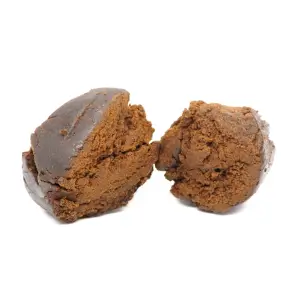
hash
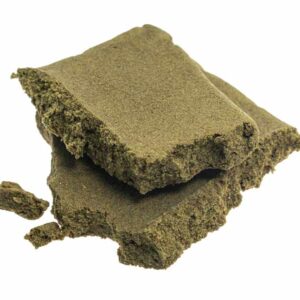
hash
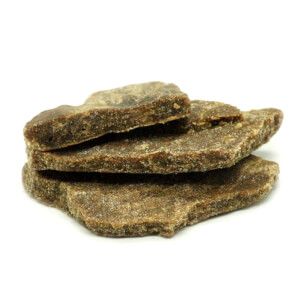
hash
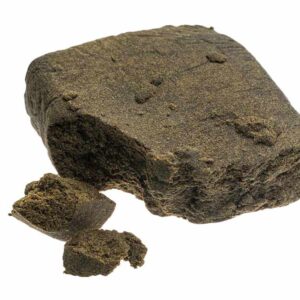
hash
hash
hash
Be the first to review “AFghan Hashish”