
Dry Sift
Dry Sift: The Art and Science of Traditional Cannabis Hash Production
“Dry Sift” refers to a classic method of producing hashish, a concentrated cannabis resin, by mechanically separating trichomes from dried plant material without solvents or water. Unlike wet methods like bubble hash or frozen sift, dry sift relies on agitation and screens to collect the potent kief-like powder, which is then pressed into hash. This technique has been used for centuries and remains popular for its simplicity and purity. In this guide, we’ll explore dry sift’s origins, process, effects, and applications, providing a thorough understanding based on cannabis history and science.
History and Background
Dry sift hash has roots in ancient cannabis cultures, particularly in regions like Morocco, Afghanistan, and India, where it was hand-rubbed or sieved from wild hemp. The term “dry sift” gained prominence in the modern cannabis industry during the 20th century, as growers sought efficient ways to extract resin without chemicals. It’s a staple in traditional hash-making, often associated with high-quality, artisanal products. Today, dry sift is valued for producing clean, terpene-rich concentrates that preserve the plant’s natural profile. With the rise of CBD and hemp legalization, dry sift has evolved to include CBD-dominant variants, appealing to wellness users.
Key Characteristics
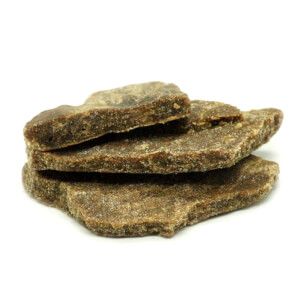
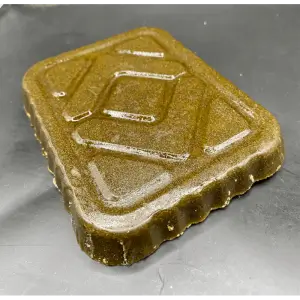
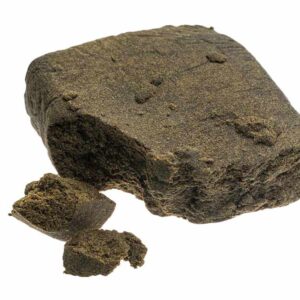
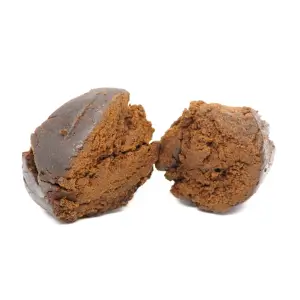
Dry sift hash is typically a fine, powdery kief that compresses into a solid, pliable block or crumble. Colors range from light green to golden, depending on the strain, with a strong, aromatic scent from preserved terpenes. Potency varies—THC levels can reach 50-70% in high-grade versions, while CBD-focused ones emphasize non-psychoactive benefits. It’s solvent-free, making it appealing for those avoiding residues. Unlike extracts, dry sift retains more plant matter if not fully refined, but premium batches are pure and potent. The texture is crumbly when fresh, hardening over time, and it’s known for its smooth burn in joints or pipes.
Production Process
Dry sift is straightforward but requires precision for quality. Here’s how it’s done:
-
Preparation: Dried cannabis buds or trim (cured for 7-14 days) are used. High-quality, resinous strains like Afghan Kush or CBD hemp are ideal.
-
Sifting: The material is placed on stacked screens (mesh sizes 100-200 microns) and agitated—either by hand, tumbling machines, or vibration. Trichomes fall through as fine powder (kief), while plant matter stays on top.
-
Collection and Pressing: The collected kief is gathered and pressed using heat (body heat or warm tools) and pressure to form hash. For CBD variants, hemp strains are selected to boost CBD content.
-
Curing and Refinement: The hash is cured in a cool, dark place for weeks to enhance flavor. Multiple siftings remove impurities, yielding a refined product.
This method is accessible for home producers but demands patience—over-agitation can degrade quality. Commercial setups use automated tumblers for consistency.
Composition and Effects
Dry sift hash’s composition mirrors the source strain’s cannabinoids and terpenes. THC-dominant versions induce euphoria, creativity, and relaxation, with effects lasting 2-4 hours via inhalation. CBD-rich dry sifts offer milder, calming benefits, reducing anxiety without intoxication. Terpenes like myrcene add sedation, while limonene uplifts. The “entourage effect” enhances potency, but purity depends on processing. Users report faster onset than edibles, with a smoother high than flower.
Potential Benefits and Uses
Dry sift hash is prized for its therapeutic potential. THC versions may aid pain relief and appetite stimulation, per studies (e.g., JAMA on cannabinoids). CBD-focused ones support wellness: anti-inflammatory for arthritis, anxiolytic for stress. Anecdotal uses include topical applications for skin conditions or edibles for sustained effects. It’s versatile for medical patients seeking natural alternatives.
Legality and Regulations
Legality varies: Federally legal in the US for hemp-derived (THC <0.3%), but state laws differ—legal in Oregon, restricted in Texas. Internationally, permitted in Canada, regulated in the EU. Hashish forms can face bans; verify local rules. Purchase from licensed sources to ensure safety.
How to Use It
- Smoking: Mix into joints or use in pipes for quick effects.
- Vaping/Dabbing: Vaporize for cleaner inhalation.
- Edibles/Topicals: Infuse for ingestion or skin relief. Start low (small pinches) to avoid overconsumption. Effects vary by tolerance.
Where to Find, Buy, and Tips
Available at dispensaries (e.g., via Weedmaps) or online from brands like High Times or local growers. Prices: $20-50 per gram. Look for lab-tested products. Tips: Store airtight in cool places; use gloves to avoid residue. Risks include respiratory irritation if smoked; opt for vaporization. Consult professionals for health concerns.
Conclusion
Dry sift embodies the timeless craft of hash production, offering a pure, potent concentrate for recreational and medicinal use. Its simplicity and versatility make it a favorite in the cannabis world. As legalization expands, dry sift’s role in wellness grows. Always prioritize quality and legality for a positive experience.
| weight | 10g, 25g, 50g, 100g, 1kg |
|---|
Reviews
There are no reviews yet.
Related products
hash
hash
hash
hash
hash
Be the first to review “Dry Sift”